init innovation in traffic systems SE, the Karlsruhe-based supplier of control and ticketing systems for public transport, has bought a 67.74 per cent stake in Applied Autonomy, a software startup from Kongsberg, Norway. The purchase took effect on 1 October 2026 and was announced on 5 October.
Neither side disclosed the price. init, which is listed in Frankfurt and sits in the SDAX index, did not name the sellers or say who holds the remaining 32.26 per cent.
Applied Autonomy will sit inside init's Integrated Systems business unit, according to Trending Topics. init said it plans to combine the startup's xFlow platform with its own MOBILE-ITCS control system so that transport operators can run mixed fleets of driverless and conventional vehicles from one place.
What Applied Autonomy built
Applied Autonomy was set up in 2017 and does not build vehicles. Its product, xFlow, is software that works across vehicle makers and performs what the industry calls technical supervision: it connects autonomous vehicles from different manufacturers, tracks them in real time, lets a remote operator step in when nobody is on board, and passes operating data to other systems.
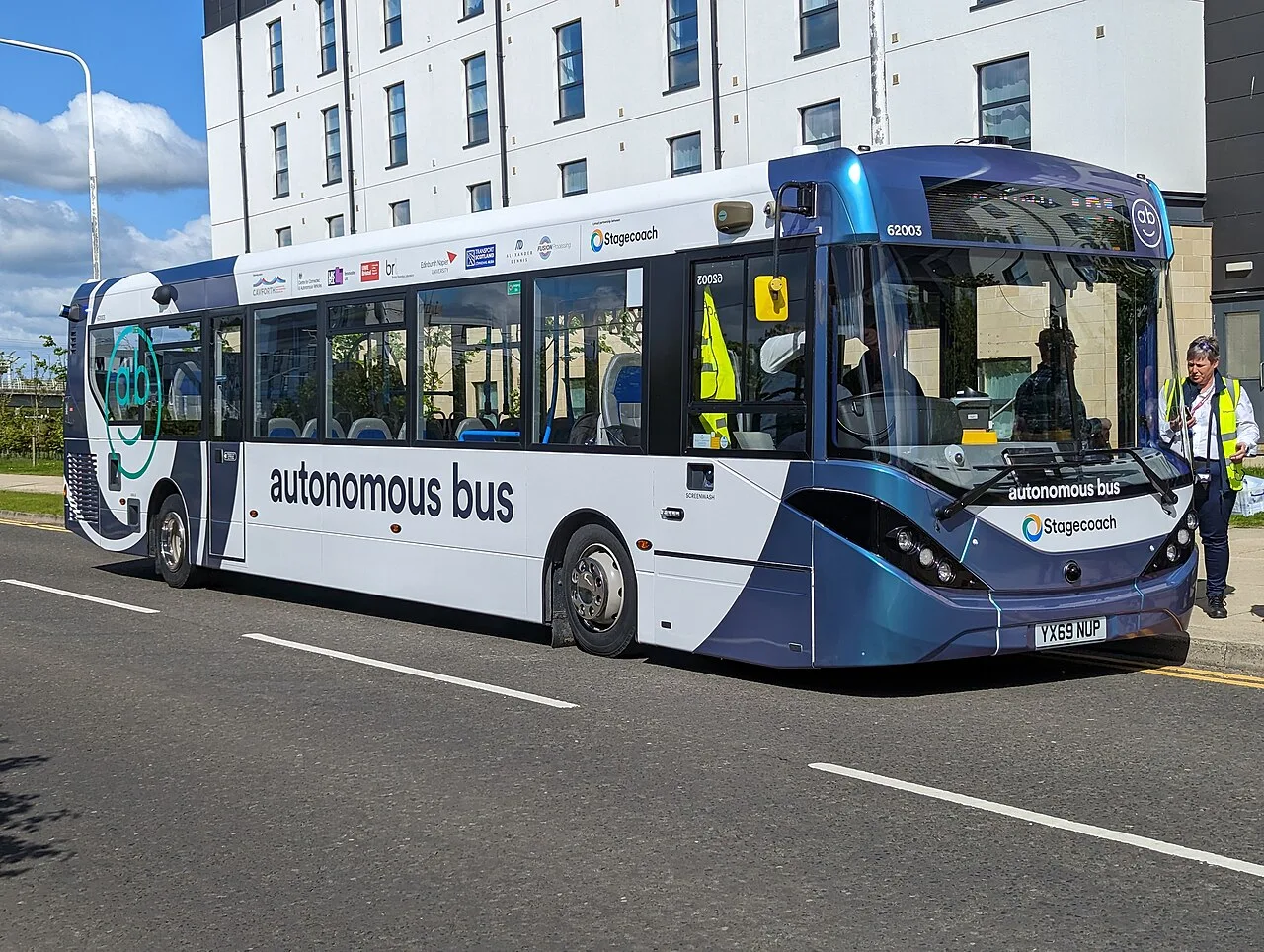
Its best-known deployment is in Stavanger, where an autonomous bus runs a scheduled route with no safety driver and uses xFlow as its control platform. init described it as the only service of that kind in Europe. Trending Topics listed further projects at Rotterdam Airport, in Eindhoven, in Arbon in Switzerland and in Sälen in Sweden.
The company is small. Trending Topics, citing the Norwegian business register, reported eight employees and 2025 revenue of about 6.2 million Norwegian kroner (around $600,000), half the level of 2022, with a small loss.
“As a small, innovative company, we have made our mark internationally. We are therefore delighted about our partnership with init, an international technology leader, because together we can scale our business very quickly and significantly accelerate our growth.”
Why init is buying
init pitched the deal as a way into a new line of business. The group said owning xFlow complements its existing products and opens doors with transport operators and authorities, and in other settings such as private or closed transport networks.
The company pointed to a shortage of drivers as the main source of demand. It said Germany is already short of more than 20,000 bus drivers for a fleet of about 87,500 buses, and that roughly 40 per cent of the workforce is expected to retire over the next ten years.
init also leads BRAVE10k, a three-year research and rollout project funded by Germany's Federal Ministry for Economic Affairs and Energy. The project aims to bring 10,000 autonomous vehicles into German public transport by 2030 and is working on common classification, approval and registration rules. Dealroom noted that buying a majority stake gives init proven driverless operations rather than having to build them in-house.
In its statement, init's managing board said the purchase leaves the company better placed to win business as autonomous vehicles enter public transport, and that it expects the move to create value for shareholders.
The founders, backers and finances
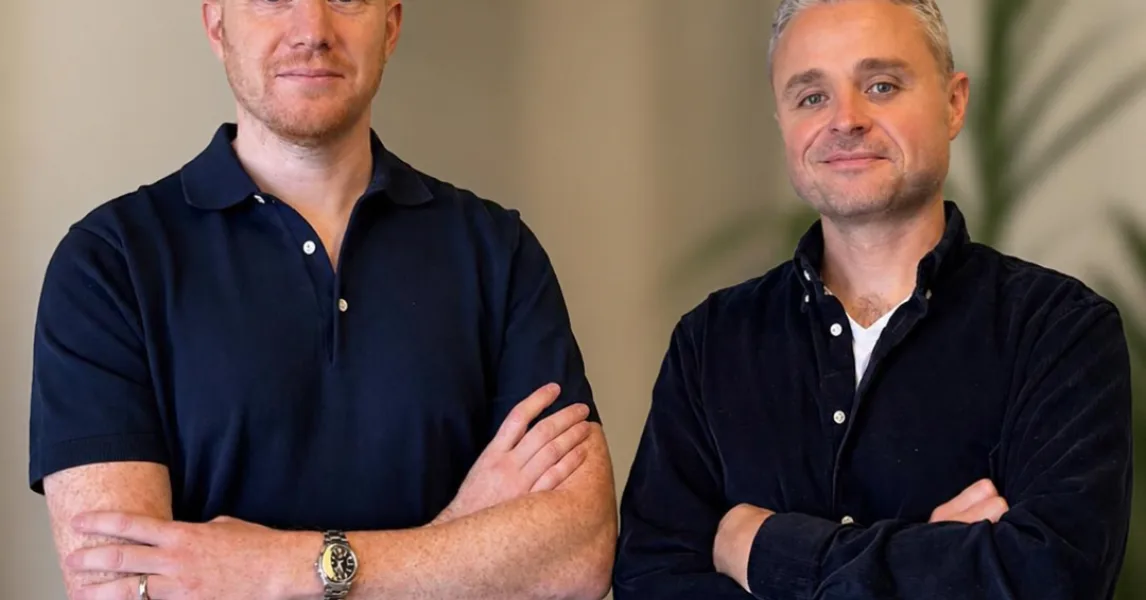
Olav Madland, Applied Autonomy's founder and chief executive, said the partnership would let the company scale quickly. Svein-Olav Torø, chief executive of Kongsberg Innovasjon, said his organisation had backed the company from the start and called bringing in init as a strategic investor an important step in growing it internationally.
Kongsberg Innovasjon, an independent non-profit innovation company, was the largest shareholder before the deal, and Torø chairs Applied Autonomy's board, according to Trending Topics. The same outlet said Norwegian state rail group Vy took a minority stake shortly after the company was founded, and that the startup appears never to have raised a conventional venture round. It received about 3.7 million kroner (around $350,000) in public grants.
The company had been under financial strain. Norwegian business paper E24 reported, as cited by Trending Topics, that its auditor flagged substantial uncertainty about its ability to continue as a going concern. Madland had put 1 million kroner (around $95,000) of his own money into the business, a capital increase of €1.5 million (about $1.7 million) was planned for September, and the annual report signalled openness to a sale. Infor Capital also described the startup as having faced financial difficulties.
A crowded road for driverless transit
init enters a field that already includes large, well-funded players. Trending Topics listed Volkswagen's MOIA, Deutsche Bahn's ioki, Fernride, which has been acquired by Quantum Systems, as well as Waymo, Baidu and Pony.ai.
Applied Autonomy's pitch is that it stays neutral on hardware: operators can mix vehicles from different makers and supervise them remotely. For init, whose systems already run conventional bus fleets for transport agencies, adding that layer means it can offer the same customers a path to driverless services without switching suppliers.