Apple said on January 29, 2026, that it had acquired Q.ai, a Ramat Gan, Israel, startup that applies machine learning to audio and communication. Reuters first reported the deal.
Apple did not disclose terms. A person familiar with the matter told Reuters the deal valued Q.ai at about $1.6 billion. The Financial Times put the figure at close to $2 billion, according to TechCrunch and Engadget, and the Israeli business outlet Calcalist estimated $1.5 billion.
Q.ai's roughly 100 employees are joining Apple, including chief executive Aviad Maizels and co-founders Yonatan Wexler and Avi Barliya, Reuters reported. Apple has not said how it plans to use the startup's technology.
What Q.ai built
Q.ai was founded in 2022 and spent most of its short life in stealth, so little about its products has been made public. Apple described the company as building machine learning applications for audio and communication, including technology that lets devices understand whispered speech and improves sound in difficult, noisy settings.
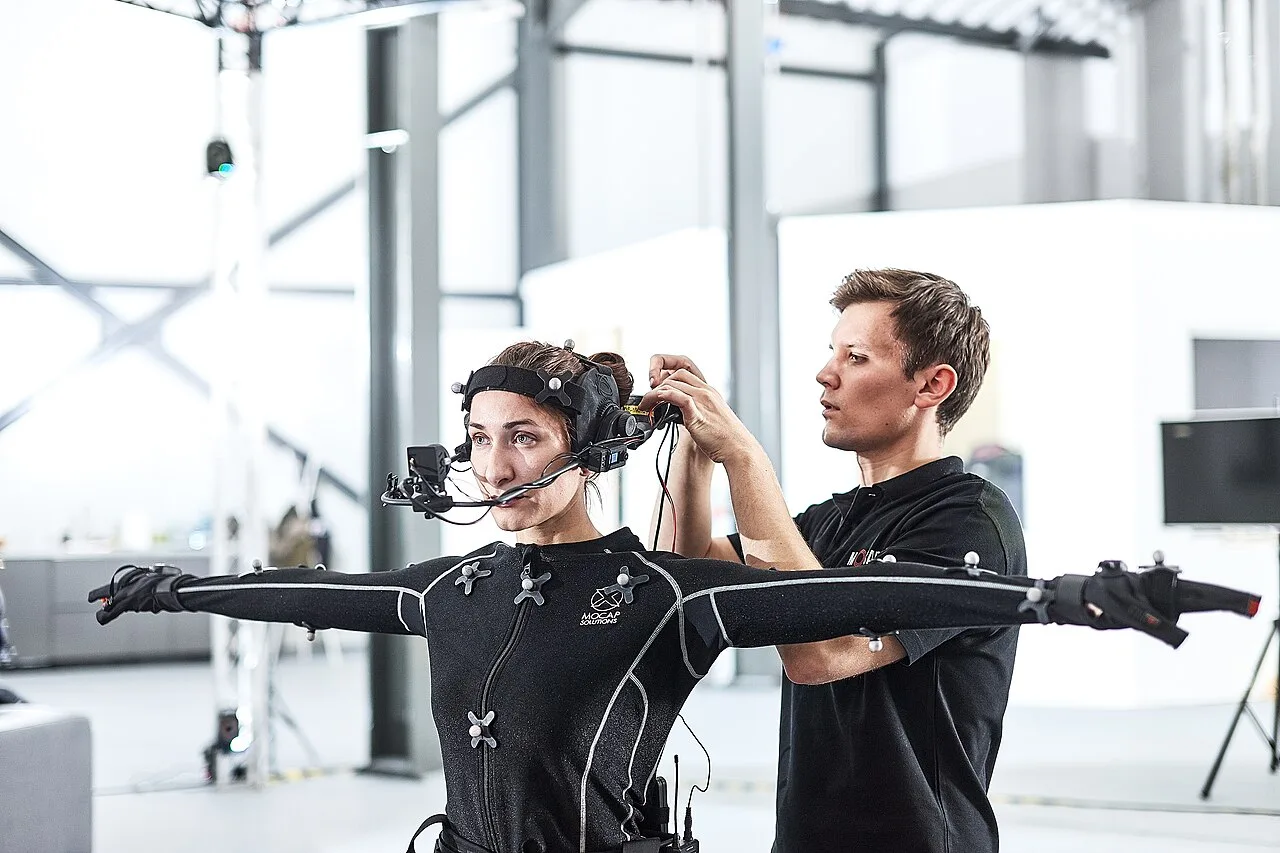
A patent application the company filed in 2025 offers more detail. According to Reuters, it describes using "facial skin micromovements" to detect words that are spoken or only mouthed, to identify a person, and to estimate emotions, heart rate, breathing rate and other signals. Other reports said the filings describe systems for headphones and glasses that would let a wearer communicate without speaking aloud.
TechCrunch reported that Q.ai also developed technology for detecting subtle facial muscle activity, which could be applied to Apple's Vision Pro headset. Calcalist suggested the work could improve wearables such as AirPods and allow more natural interaction with Siri, though Apple has given no such details.
“Joining Apple opens extraordinary possibilities for pushing boundaries and realizing the full potential of what we've created, and we're thrilled to bring these experiences to people everywhere.”
A second sale to Apple
This is the second company Maizels has sold to Apple. He founded PrimeSense, an Israeli 3D sensing company that Apple bought in 2013 for an estimated $350 million, according to Calcalist. That technology later helped Apple move the iPhone from fingerprint sensors to facial recognition with Face ID.
Calcalist reported that Maizels started Q.ai shortly after leaving Apple. His co-founders were Wexler, who served as chief technology officer and previously worked at OrCam, the Israeli assistive-vision company, and Barliya, an AI researcher, according to MacTech and Calcalist.
Johny Srouji, Apple's senior vice president of hardware technologies, called Q.ai a company that is pioneering new ways to use imaging and machine learning, and said Apple was pleased to buy it with Maizels in charge.
The founders and the funding
Calcalist reported that Q.ai raised $24.5 million in January 2023. Its backers included Kleiner Perkins, GV (formerly Google Ventures), Matter Venture Partners, Spark Capital and Exor, according to Reuters. Calcalist also named the Israeli fund Aleph and Corner Ventures among its investors.
No later funding rounds were reported, and no valuation from a priced round has been made public. If the reported price range is accurate, the sale would return many times the capital the company is known to have raised.
Apple's second-largest deal
If the Financial Times figure is correct, Q.ai would be Apple's second-largest acquisition, behind the $3 billion purchase of Beats Electronics in 2014, TechCrunch reported. Apple usually buys smaller companies and rarely comments on deal sizes.
Apple chief executive Tim Cook said on the company's July 2025 earnings call that Apple was open to acquisitions that speed up its product roadmap, Engadget noted. Engadget also suggested Q.ai's work could feed into Apple's own AI efforts, at a time when Apple relies on Google to help power parts of Siri.
The purchase came a few hours before Apple reported its quarterly results, and as Apple, Meta and Google compete to put more AI into consumer hardware. Apple has been adding AI features to AirPods, including live translation of speech between languages, which it introduced in 2025.
Technology for understanding quiet or silent speech fits that push into wearables. Apple has not said when, or in which products, any of Q.ai's work might appear.