Canva, the online design platform, acquired Doohly, a Melbourne startup that makes software for running digital out-of-home advertising screens. Capital Brief reported the deal on March 25, 2026, before it had been announced publicly, and a Canva spokesperson confirmed it.
Capital Brief reported the price at A$30 million (about US$20.8 million). Canva declined to comment on the commercial terms, so the figure has not been confirmed by either company.
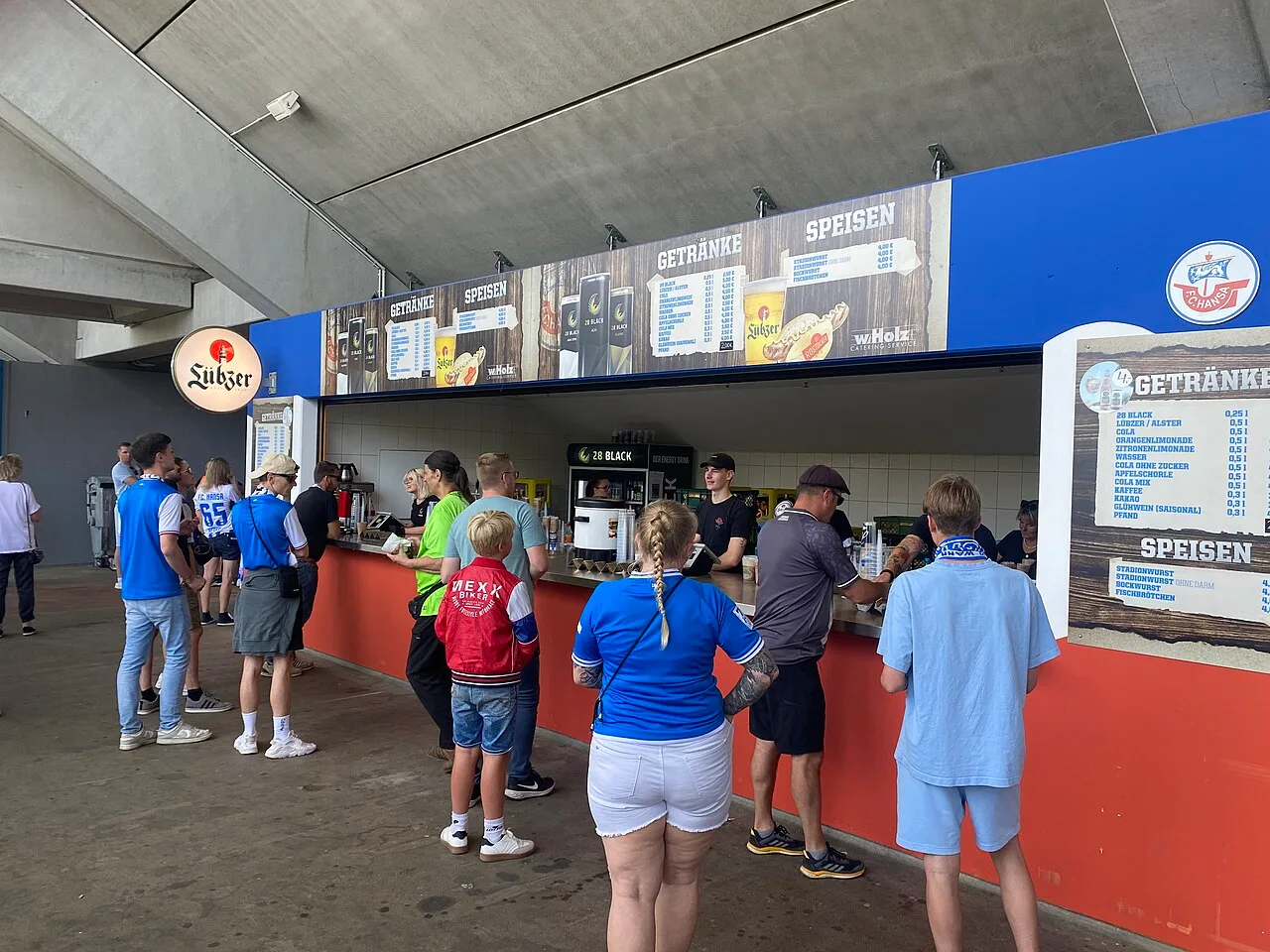
The deal is Canva's first move into out-of-home advertising, the market for ads shown on screens and billboards in public places. Canva said it would share more about its plans for Doohly later in the year.
What Doohly built
Doohly sells cloud software that lets companies run networks of digital screens. Its tools handle content management, player software, scheduling and reporting, which automates work such as deciding which ad runs on which screen and checking how campaigns performed.
SmartCompany described the company as six years old, which puts its founding at around 2020. It operates in Australia, New Zealand and the UK. Customers named in coverage include KX Pilates, Mobil, Rebel Sport and Liquorland, which use its software for large-format screens and retail media in stores.
SmartCompany described Doohly as an end-to-end programmatic platform for the sector. CXO Digital Pulse said the software moves campaign work that is often done by hand, such as updating content and managing ad placements, into one central system that can grow with the number of screens. That kind of tooling matters to retailers and venue owners that sell space on their own screens to advertisers, because each new screen otherwise adds more manual scheduling.
“We're excited to welcome Doohly to Canva as part of this focus.”
Why Canva is buying
Canva has been buying companies to cover more of the marketing process, from creating content to publishing it and measuring results. A Canva spokesperson said the company was focused on the entire marketing and content lifecycle, from ideation and creation to deployment, measurement and optimisation. Capital Brief described Doohly as the physical-world distribution layer in that plan.
Canva co-founder and chief operating officer Cliff Obrecht wrote on LinkedIn that the company's recent deals moved it closer to a world in which content improves automatically based on real performance data. Doohly adds a channel where Canva designs can be shown on screens and where their performance can be tracked. CXO Digital Pulse reported that the deal could let Canva users create marketing material and send it directly to digital screens in public places and shops, a step beyond the design tools the company is best known for.
The company did not say whether Doohly would keep its brand or what roles its founders would take.
The founders and the funding
Doohly was founded by Sean Law and Tom Sawkins, who met while working at shopping centre owner Vicinity Centres. In an interview with Startup Daily two years before the sale, Law said he wanted to change the out-of-home industry in the way the iPhone changed photography.
According to SmartCompany, Archangel Ventures backed a A$500,000 (about US$330,000) pre-seed round in 2024. Skalata, the startup investor backed by Paul Little, is also a shareholder. SmartCompany reported that Law owned nearly half of the company before the sale, Skalata about 17% and Sawkins 14%.
Canva's run of acquisitions
Doohly is Canva's sixth acquisition in two years, according to SmartCompany. Less than a month earlier, Obrecht announced the purchases of Cavalry, a UK maker of motion and animation software, and MangoAI, a US company that uses AI to optimise creative content. Earlier, Canva bought Affinity and Leonardo in 2024, and the Australian advertising startup MagicBrief in 2025.
Each deal has added a piece of the advertising workflow, from making video and images to testing which creative works best. Doohly extends that chain to the screens where ads are finally shown to the public.