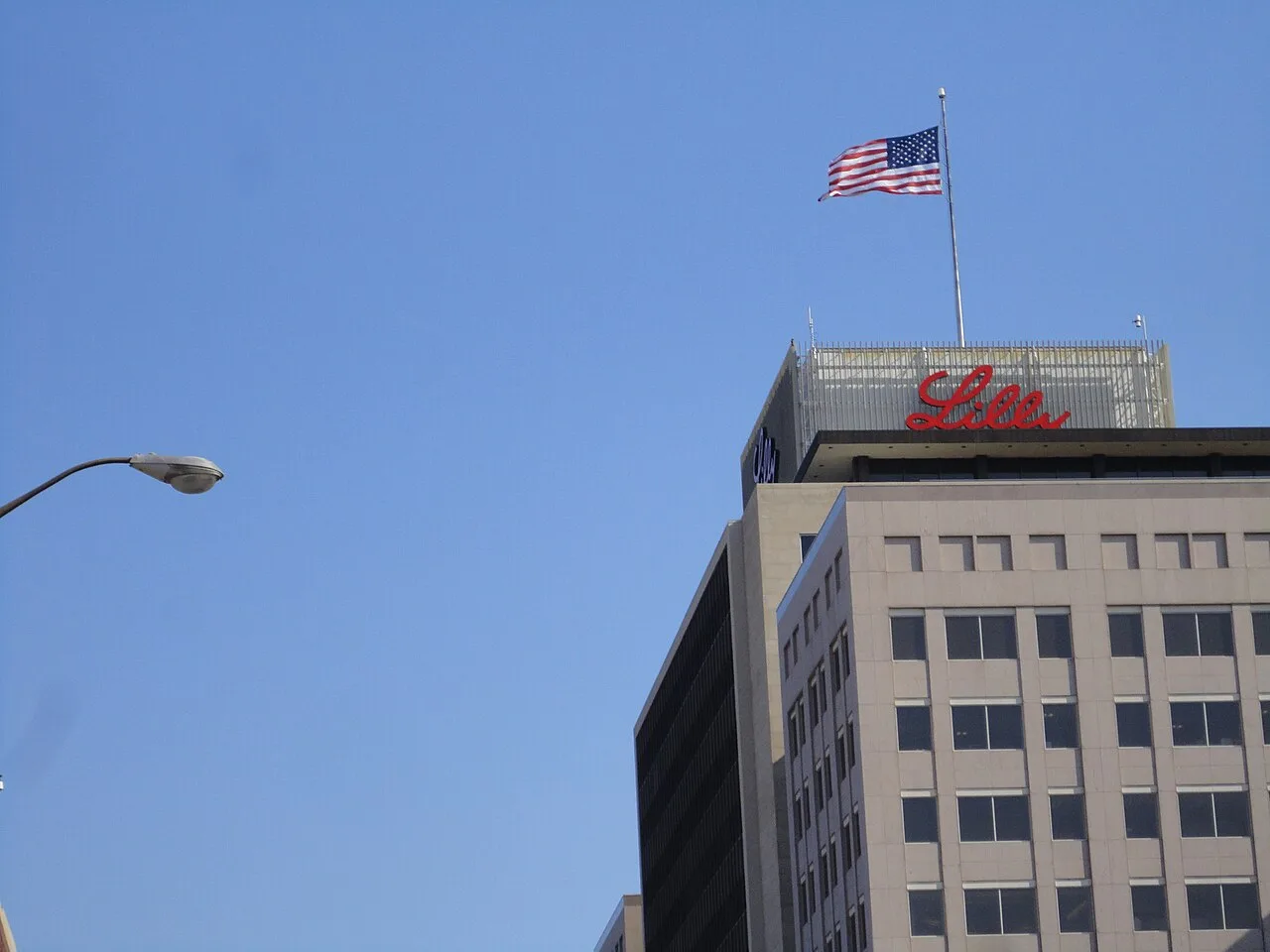
Eli Lilly agreed on 31 August 2026 to acquire Merida Biosciences, a privately held biotech company in Cambridge, Massachusetts, in an all-cash deal worth up to $2.875 billion. The total includes an upfront payment and further payments that depend on the drug reaching development and regulatory milestones. Lilly did not say how the amount was split between the two.
The deal is subject to customary closing conditions, including regulatory approvals, and is expected to close in the fourth quarter of 2026. Lilly said it looked forward to developing Merida's technology together with the Merida team.
Merida develops biologic drugs that bind and remove the specific autoantibodies behind autoimmune and allergic diseases. Its most advanced candidate, MER511, is in Phase 1 for Graves' disease and thyroid eye disease.
What Merida built
Merida's protein engineering platform produces therapeutics based on the Fc region of an antibody. The molecules attach to particular disease-causing antibodies and send them to the body's normal clearance pathway, where the liver breaks them down. The company says the drugs can also target the B cells that make those antibodies, which could give longer-lasting suppression. The aim is to remove the cause of the disease while leaving the rest of the immune system working, rather than suppressing it broadly.
MER511 is designed to stop autoantibodies from binding to the thyroid-stimulating hormone receptor, which drives an overactive thyroid in Graves' disease. Thyroid eye disease is a related condition in which tissue behind the eyes swells and pushes the eyeball forward; up to 40% of people with Graves' disease also develop it, according to pharmaphorum. Lilly said early Phase 1 data showed large reductions in thyroid-stimulating antibodies and a favourable initial safety profile.
The rest of the pipeline is earlier. MER769, in preclinical testing, targets IgE-driven conditions including food allergy, asthma and chronic spontaneous urticaria. Other programmes address immune-mediated kidney disease, including primary membranous nephropathy.
“We're building our pipeline around therapies that meaningfully change the course of disease, not just its downstream effects.”
Why Lilly is buying
Lilly is best known for its diabetes and obesity drugs Mounjaro and Zepbound, and cash from those products has funded a long run of acquisitions as the company widens its pipeline. Pharmaphorum counted Merida as Lilly's ninth acquisition of 2026. It came a few weeks after Lilly agreed to buy psychedelic medicines developer AtaiBeckley for up to $3.8 billion, and it followed purchases of Kelonia, Centessa Pharma, Orna Therapeutics, Ventyx Bio and three infectious disease companies. Lilly's M&A commitments for the year were approaching $29 billion in upfront and milestone payments, the publication reported.
Francisco Ramírez-Valle, who leads Lilly's immunology research and early clinical development, said the company was building its pipeline around therapies that change the course of a disease rather than treat its downstream effects. Lilly said current treatments for Graves' disease and thyroid eye disease do not directly target the autoantibodies responsible, and that it saw room to apply Merida's approach across many antibody-driven diseases.
The founders and the funding
Third Rock Ventures seeded Merida in 2022, when its co-founder and chief scientific officer, Dario Gutierrez, was an entrepreneur-in-residence at the firm. The company came out of stealth on 8 April 2025 with a $121 million Series A co-led by Bain Capital Life Sciences, BVF Partners and Third Rock Ventures, with GV and Perceptive Xontogeny Venture Funds also taking part.
Adam Townsend became chief executive in March 2025. He was previously chief operating officer of Apellis Pharmaceuticals. At launch its board was chaired by Reid Huber, and its leadership included chief operating officer Dodzie Sogah and chief medical officer Matthew Leoni.
Merida did not disclose its headcount, and the companies did not say what the deal would mean for its staff in Cambridge.
What happens next
Until the deal closes, Merida remains a separate company. Once it closes, Lilly will own MER511 and the rest of the pipeline and will be responsible for later trials. The milestone structure means that a large part of the $2.875 billion headline value will only be paid if Merida's drugs succeed in development and win regulatory approval.