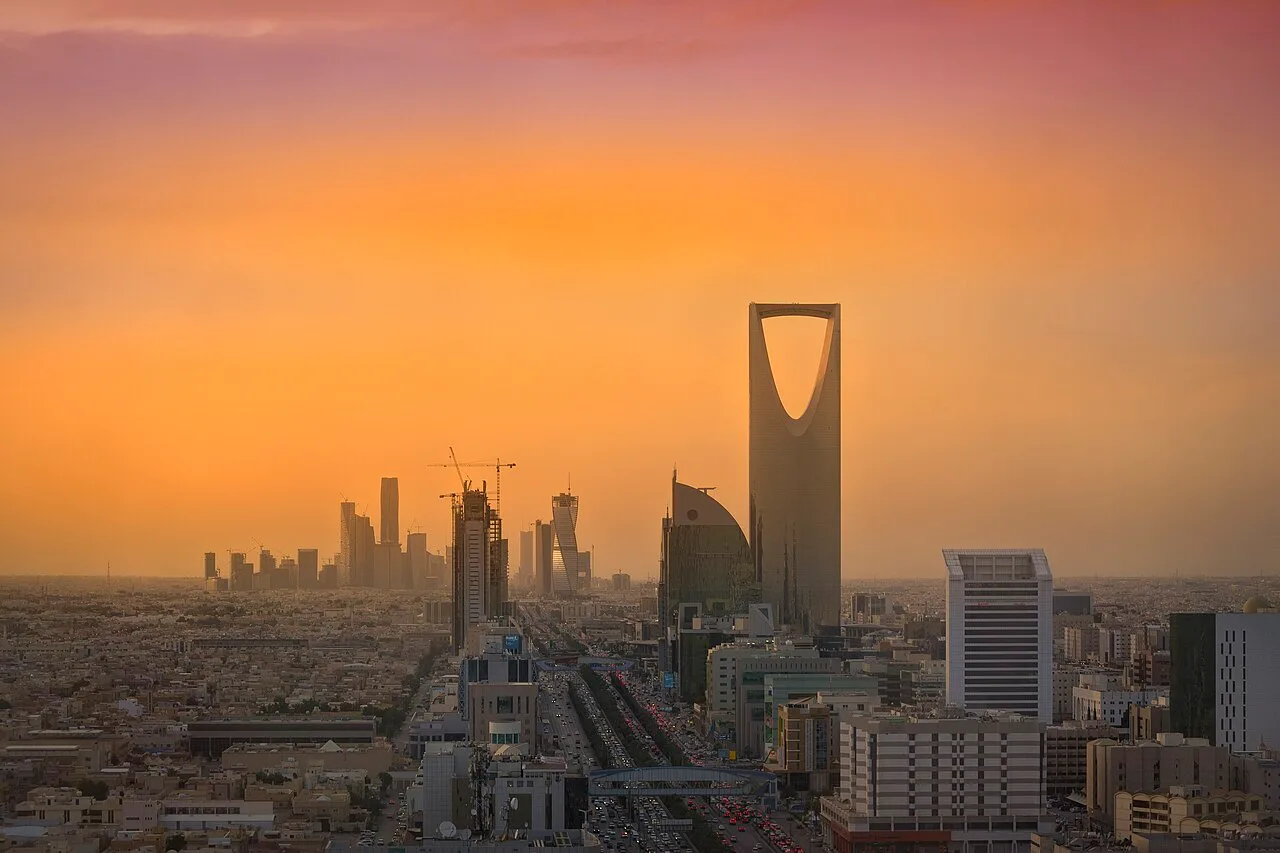
Falak Holding, a Saudi investment firm and venture builder based in Riyadh, said on April 14, 2026 that it had acquired a majority stake in Kernel, a company that develops artificial intelligence applications, trains people to build them and runs a programme for early AI teams.
The deal covers Kernel's operations in both Saudi Arabia and Jordan. Falak did not say how large a stake it bought beyond describing it as a majority, and it did not disclose the price or how it was paid.
Kernel will keep operating independently and will be presented as a Falak Holding company. Falak said Kernel would keep its operational focus while gaining access to Falak's investor network and its programmes for founders.
What Kernel built
Kernel was founded by engineer Abdullah Alghwairi (spelled Alghuwairi in some reports) with the aim of turning knowledge of artificial intelligence into working products. Its business has three parts: it builds AI products and solutions for clients, it runs specialised training programmes, and it operates initiatives of its own.
The best known of those initiatives is the AI Startup Lab, which works with technical teams to take advanced ideas and turn them into AI products that can scale. Falak's announcement did not name Kernel's clients, products or headcount, and neither the company nor the reports on the deal gave its founding year or any outside funding.
In the announcement, Alghwairi said Kernel was set up to make AI practical and accessible for innovators and organisations that want to build real solutions, and that joining Falak would open new routes to growth and collaboration across the region.
“Kernel was founded to make artificial intelligence practical and accessible for innovators and organizations seeking to build real solutions. Becoming part of Falak’s ecosystem opens new opportunities for growth and collaboration as we continue developing impactful AI technologies across the region.”
Why Falak is buying
Falak describes itself as an investment and venture-building group that helps technology startups in the Middle East and North Africa grow and enter new markets. Its website lists a startup acceleration programme called the Flagship Program, an angel network called Falak Angels, a Landing Program for companies expanding into Saudi Arabia, a Business Hub with office space, Falak Academy and an alumni network.
The firm said the purchase was a strategic step to strengthen its position in advanced technologies and widen its work in AI-driven ventures. It plans to combine Kernel's technical skills with its own venture-building model so it can back more AI startups, develop new products and help organisations adopt AI.
Adwa Aldakheel, Falak's founder and chief executive, said the deal reflected the group's commitment to building capabilities in AI and that bringing Kernel in would help speed up the development of AI-powered ventures.
A venture builder buying its own capability
Most of Falak's activity has been in supporting and investing in other companies. Taking control of Kernel gives the group an in-house team that already trains builders and runs a lab for AI start-ups, which it can connect to its acceleration and angel investment programmes.
Because Kernel keeps its own operations, the deal is closer to a group acquisition than a merger. Falak did not announce any changes to Kernel's leadership, and Alghwairi was quoted as Kernel's founder in the release. No details were given on whether the remaining minority shareholders include Kernel's founder or other investors.
What is still unknown
Falak's release and the reports that followed in Wamda, Mubasher and MENA Startup Digest left several basic facts open: the size of the stake, the price, Kernel's revenue and staff numbers, and the split of its work between Saudi Arabia and Jordan.
It is also not clear whether the transaction required regulatory approval or has already closed; the announcement described the acquisition as done. For Kernel's clients and the teams in its training programmes and AI Startup Lab, Falak said the company would continue to operate under its own name, now as part of the Falak group and with access to the group's investors, office space and founder programmes.