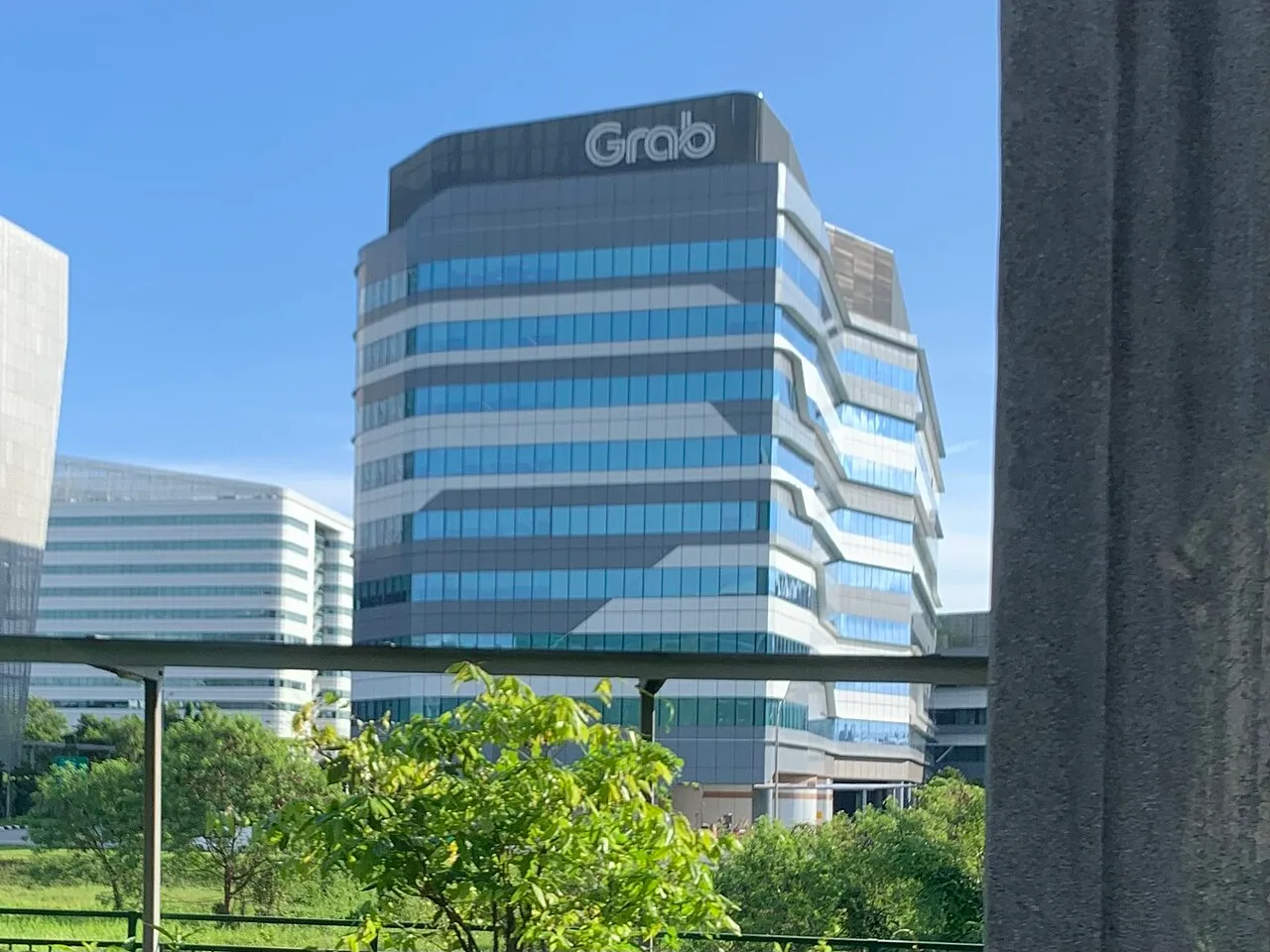
Grab Holdings, the Singapore-based ride-hailing, delivery and financial services company, signed definitive agreements on February 12, 2026, to acquire all of Stash Financial, a US consumer investing and banking app.
Grab will pay for a 50.1% stake when the deal closes, based on an enterprise value of $425 million, and will buy the remaining shares at fair market value over the three years after closing. The closing payment will be a mix of cash and Grab shares; later payments can be cash, shares or both, at Grab's choice. The deal needs regulatory approvals and was expected to close in the third quarter of 2026.
Stash will run as a standalone company and an independent US brand inside Grab, keeping its subscription model, services and name. Co-founders and co-chief executives Brandon Krieg and Ed Robinson will continue to lead it.
What Stash built
Stash sells a monthly subscription that combines investing, banking and financial education tools. It is a registered investment adviser with the US Securities and Exchange Commission and manages more than $5 billion in assets for over one million paying subscribers. It also offers StashWorks, a financial wellness benefit for employers.
Subscription plans start at $3 a month, according to the company. Other products include Auto-Stash, which moves money into investments automatically, and a debit card that pays rewards in shares, offering up to 5% back in stock at qualifying merchants.
In late 2024 Stash launched an AI Money Coach that gives users personalised guidance. Grab said about half of users take a positive financial action the same day they use it, a share that rose nearly 40% in 2025.
Grab said Stash is profitable on an adjusted EBITDA basis and generates positive cash flow, and forecast that it will produce more than $60 million in adjusted EBITDA in calendar 2028. Revenue was not disclosed.
“This is a milestone in Grab's evolution as a trusted international provider of financial services.”
Why Grab is buying
Grab serves more than 50 million monthly transacting users across eight Southeast Asian countries and runs digital banks in Singapore and Malaysia, with an associate bank in Indonesia. Buying Stash gives it a profitable, recurring-revenue business in the US and a move into mass-market investing.
Grab said it will back Stash's growth with US consumers and, over the longer term, may bring Stash's investing products, including the AI Money Coach, to Southeast Asia. Grab chief executive Anthony Tan said the acquisition brings more than recurring, high-margin subscription revenue to the group.
Krieg said he and Robinson founded Stash so that the tools and advice to build long-term wealth would be accessible to everyone, not just the top 1%, and that joining Grab validated that mission.
The founders and the funding
Stash raised about $657 million over its life, according to Dealroom. Its last round was a $146 million Series H in May 2025, led by Goodwater Capital, with Union Square Ventures, StepStone Group, Serengeti, the University of Illinois Foundation and funds advised by T. Rowe Price taking part. At that time Stash reported 1.3 million paying subscribers and $4.3 billion in assets under management. The company said in that release that it was marking its tenth anniversary.
Krieg and Robinson had returned to lead the company as co-chief executives before that round. Grab said Stash reached profitable growth on an adjusted EBITDA basis after the Series H.
The $425 million enterprise value used for the first stake is well below the roughly $1.4 billion valuation Stash reached in 2021, Dealroom noted. Fintech Futures reported that the stake Grab does not buy at closing is held by institutional investors including Union Square Ventures and T. Rowe Price.
What happens next
Until closing, Stash and Grab continue to operate separately. After closing, Grab will own a controlling 50.1% and is committed to buying the rest over three years at fair market value, so the final price of the whole company will depend on how Stash performs in that period.
Neither company announced changes to Stash's US staff or products. Grab said Stash keeps its brand and services, and that any launch of its products in Southeast Asia is a longer-term option rather than a set plan.