Netflix announced on 5 March 2026 that it was acquiring InterPositive, a filmmaking technology company founded by actor and director Ben Affleck that builds AI tools for use in post-production.
Netflix did not disclose the financial terms. On 11 March Bloomberg reported, citing people familiar with the deal, that Netflix could pay as much as $600 million in total. According to that report, the cash paid upfront was lower, and Affleck and InterPositive's investors would receive the full amount only if the business meets certain performance targets. Netflix did not confirm the figure.
All 16 of InterPositive's engineers, researchers and creatives are joining Netflix, and Affleck, who was founder and chief executive, becomes a senior adviser to the company.
What InterPositive built
Affleck said he began watching how AI was being used in production in 2022 and set up InterPositive afterwards with a small team of engineers, researchers and creatives. The Los Angeles company stayed in stealth until the Netflix deal was announced. Its stated mission was to use new technology in ways that protect and expand creative choice.
Rather than generating new scenes from scratch, InterPositive's system builds an AI model from a production's own dailies, the raw footage shot each day. A filmmaker can then use that model in post-production for colour work, relighting shots and visual effects, according to Affleck. Its first model was designed for problems such as missing shots, background replacement and incorrect lighting.
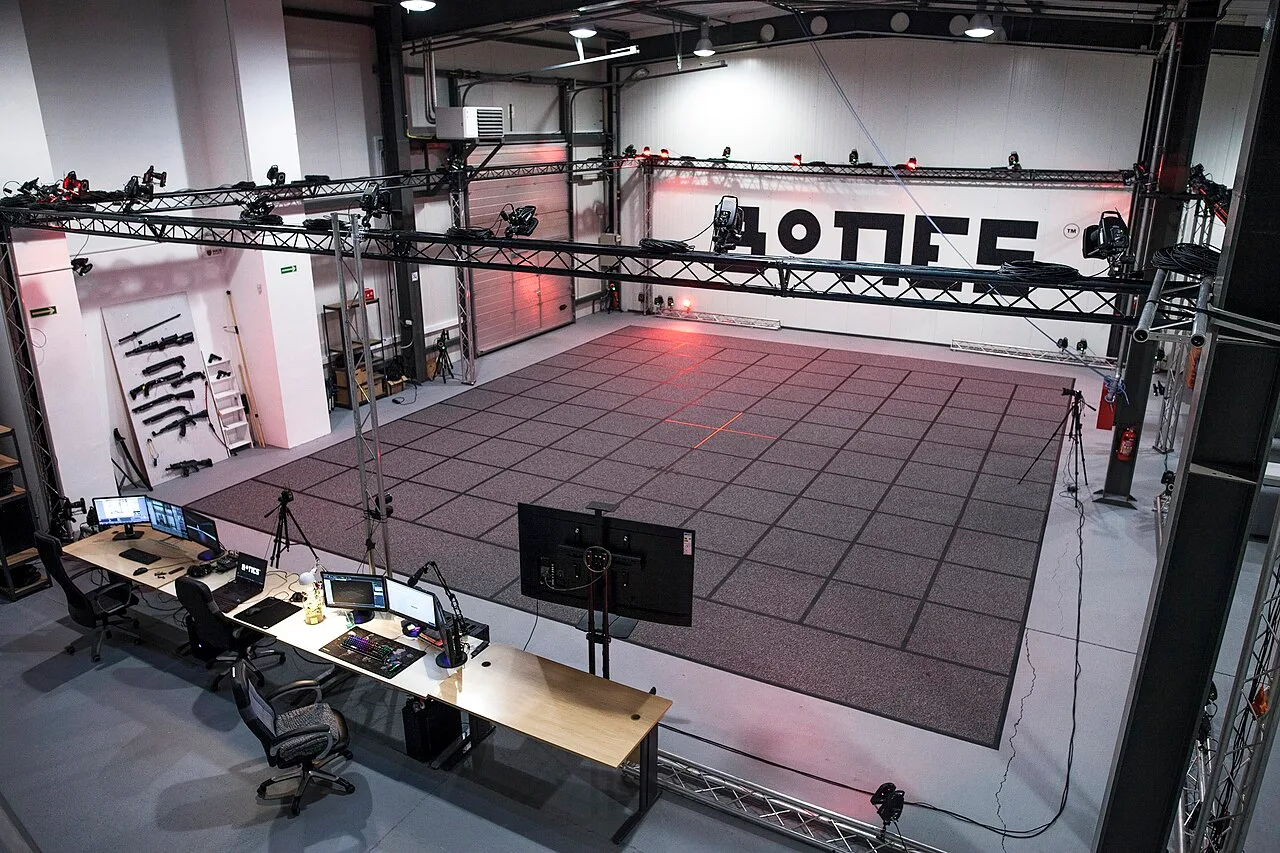
The company trained its technology on a proprietary dataset filmed on a controlled soundstage, and chose smaller datasets focused on filmmaking techniques rather than on actors' performances. Affleck said the tools needed to be built to protect the qualities that make a good story.
“I couldn't be happier for this work to continue with the team at Netflix.”
Why Netflix is buying
Netflix plans to give its creative partners access to InterPositive's technology but has no plans to sell it commercially, Variety reported.
Netflix chief product and technology officer Elizabeth Stone said innovation should help storytellers rather than replace them. Chief content officer Bela Bajaria said new tools should expand creative freedom and not replace the work of writers, directors, actors and crews, and that the technology gives partners more choice, control and protection for their vision.
Netflix presented InterPositive as a post-production aid built around footage a production has already shot, rather than a tool for generating performances or replacing crews.
One of Netflix's biggest deals
If the full $600 million is paid, InterPositive would rank among the largest acquisitions Netflix has made. Its biggest so far is the Roald Dahl Story Company, which was estimated to be worth around $700 million.
The deal came shortly after Netflix stepped back from its pursuit of Warner Bros. Discovery's studios and streaming businesses. Netflix chose not to counter after Paramount Skydance raised its hostile offer for Warner Bros. Discovery by $1 a share to $31 a share.
What is still unknown
Several details of the deal remain private. Bloomberg's sources asked not to be named because the terms had not been made public, and neither the upfront payment nor the performance targets that would unlock the rest of the $600 million have been disclosed. Netflix did not immediately respond to Variety's request for comment on the reported figure.
Netflix also did not say when the acquisition would close, how InterPositive's tools would be offered to productions, or whether outside studios would ever be able to use them. For now, the company has said only that access is intended for its own creative partners.
The founder and the investors
Affleck is an Academy Award-winning producer, writer, director and actor. Neither he nor Netflix named InterPositive's outside investors or disclosed how much the company had raised before the sale.
In a statement, Affleck said he was pleased the work would continue with the team at Netflix and that he looked forward to giving the wider creative community access to what the company builds.