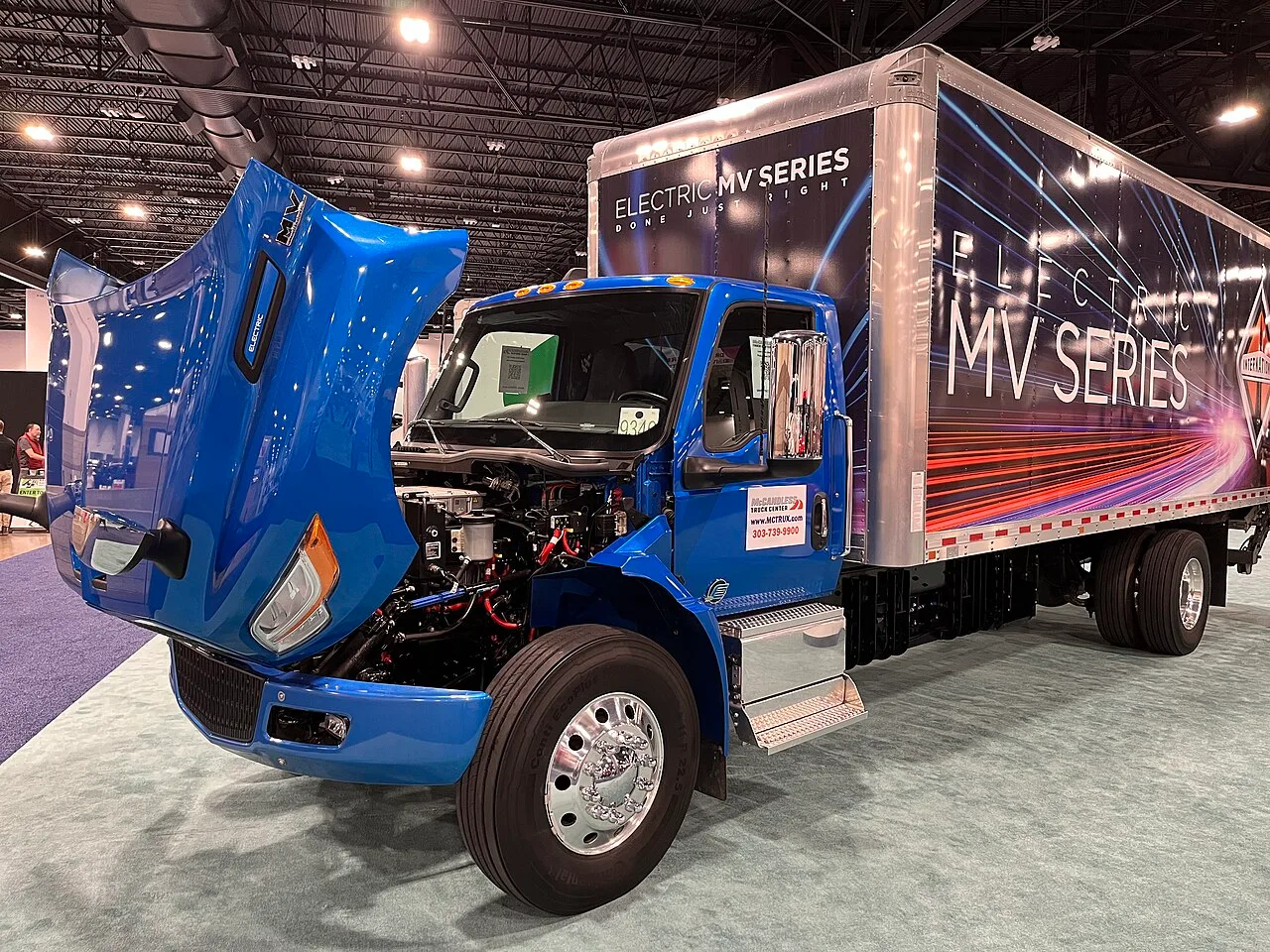
Harbinger, a Garden Grove, California maker of medium-duty electric and hybrid trucks, announced on 25 February 2026 that it had acquired Phantom AI, a Mountain View startup that develops computer vision and driver-assistance software. The acquisition was completed in November 2025 and made public three months later.
Alongside the deal, Harbinger said ZF Group's advanced driver assistance systems (ADAS) business for passenger cars had agreed to license Phantom AI's computer vision for its own passenger-car products. The financial terms of the acquisition and of the licence were not disclosed.
Phantom AI's team of 30 employees will keep working from Mountain View. Atlanticus Advisors LLC acted as financial adviser to Phantom AI on the transaction.
What Phantom AI built
Phantom AI was co-founded by Hyunggi Cho, its chief executive and a former Tesla ADAS engineer, and Chan Kyu Lee, a former driver-assistance and autonomous-driving engineer at Hyundai. The Robot Report wrote that the two met while working at Tesla and that the company started in 2017.
The startup built a modular software stack for carmakers and their tier-one suppliers covering computer vision, sensor fusion and vehicle control, which it sold under the names PhantomVision, PhantomFusion and PhantomDrive. Customers could pick the parts they wanted to integrate. Its first goal was low-cost Level 2 automation, meaning features such as automatic emergency braking and emergency lane support, before moving to higher levels of autonomy.
“Our acquisition of Phantom AI and partnership with ZF are pivotal milestones for Harbinger as we expand beyond commercial vehicles and enter new segments for the first time.”
Why Harbinger is buying
Harbinger plans to put Phantom AI's computer vision into its medium-duty electric and hybrid vehicles during 2026, adding automatic emergency braking, adaptive cruise control, lane keeping and emergency lane support. The company said fleet customers had asked for these features because medium-duty vehicles generally lack them. Its trucks already offered backup cameras with dynamic trajectory, virtual bumpers and acoustic vehicle alerting systems.
The deal also gives Harbinger a business outside truck building. The company said the acquisition and the ZF agreement create a new revenue stream from software services, and that it was entering new segments for the first time.
In the press release Harbinger co-founder and chief executive John Harris described the acquisition and the ZF partnership as "pivotal milestones" and said the new safety features were something its large Fortune 500 customers had been asking for. Cho said that while such features are already expected in passenger cars, medium-duty fleets had historically been underserved.
The ZF licence
Under the agreement, ZF's passenger-car ADAS unit will integrate Phantom AI's computer vision into its products and work towards more advanced autonomous driving features. Christopher Ludwig, vice president of procurement for ZF's Electronics and ADAS division, said the licence would strengthen ZF's passenger-car ADAS portfolio and allow it to offer customers a broader selection of products and options at different values.
ZF, based in Friedrichshafen, Germany, reported sales of EUR 41.4 billion (about $45 billion) in fiscal 2024 and has about 161,600 employees and 161 production sites in 30 countries, according to the release.
The licence means Phantom AI's software will reach passenger cars through ZF while Harbinger uses the same technology in its own commercial vehicles. Harbinger said the combination of Phantom AI's computer vision with ZF's global reach in automotive systems was what opened up the software and autonomy revenue stream.
The founders and the funding
Phantom AI raised a $36.5 million Series C in February 2023, led by InterVest, with Shinhan GIB and Samsung Ventures also joining as new investors and KT Investment and Renaissance Asset Management returning, The Robot Report reported. That round took its total funding to $80.2 million. The company said at the time it would use the money to support series production development with major carmakers.
No later funding was reported, and neither company disclosed what Harbinger paid or whether the deal was in cash or stock. Harbinger said it chose to build its electric trucks to be competitive on purchase price with diesel vehicles, and it now plans to sell the driver-assistance software both on its own trucks and through ZF.