Motorola Solutions, the Chicago-based supplier of public-safety and security technology, agreed on June 1, 2026 to acquire D-Fend Solutions, an Israeli company that builds counter-drone systems, for $1.5 billion. Motorola announced a definitive agreement and said it expected the deal to close in the fourth quarter of 2026, once regulators had approved it.
The deal closed earlier than that. On August 24, 2026, Security Systems News and Critical Comms reported that Motorola had completed the purchase. Motorola did not say in its announcement whether it would pay in cash, stock or a mix.
D-Fend's chairman and chief executive, Zohar Halachmi, stayed with the business. Critical Comms reported that he would keep running D-Fend and lead Motorola's counter-drone platform as senior vice president for counter-drone solutions.
What D-Fend built
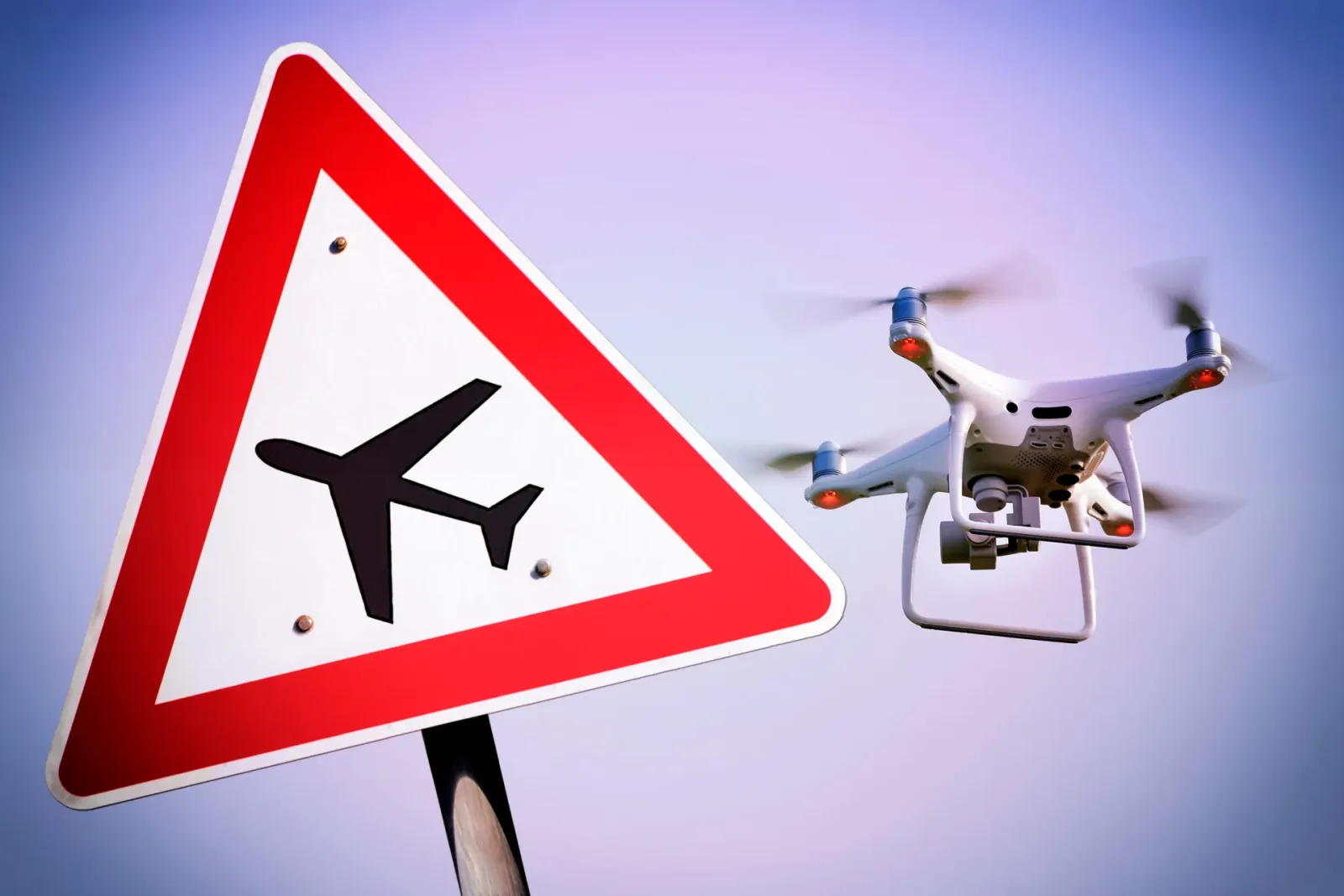
D-Fend's main product, EnforceAir, uses what the company calls RF cyber-takeover. Instead of firing at a drone or jamming its signal, the system takes over the radio link between the drone and its operator, overrides the communications and brings the aircraft down in a chosen landing zone. Motorola said the approach lets authorised drones keep flying while rogue ones are isolated and removed, avoiding collateral damage and costly shutdowns of a whole area.
According to Motorola, D-Fend's technology is used by government, public safety and enterprise customers, with thousands of deployments in more than 30 countries. Critical Comms listed airports, critical infrastructure, stadiums, military bases and borders among the sites. When D-Fend raised money in December 2024, it said its systems were deployed by U.S. government agencies, including military, federal law enforcement and homeland security users, Commercial UAV News reported.
The business was growing quickly. Motorola said D-Fend's revenue had grown by more than 50% a year over the previous three years and that it expected the company to post $185 million in revenue for the full year 2026. At the $1.5 billion price, Motorola paid roughly eight times that expected revenue.
“Rogue drones have transformed our skies into a landscape of unpredictable risk, where simple detection is no longer enough.”
Why Motorola is buying
Motorola tied the deal to a change in U.S. law. The Safer Skies Act, passed as part of the 2026 National Defense Authorization Act, allows trained and certified state and local police not only to detect and track drones that threaten public safety but, where permitted, to bring them down. That opens a domestic market for mitigation tools that had largely been limited to federal agencies.
Inside Unmanned Systems noted that Motorola had already bought Dedrone, a drone detection company, in late 2024. D-Fend adds the step after detection: taking control of the drone. Motorola chief executive Greg Brown said that with D-Fend, drone threats are not only identified but their communications are overridden and redirected so they land safely.
Halachmi said joining Motorola would let D-Fend use Motorola's long-standing customer relationships in public safety, federal and enterprise markets to reach more organisations.
The founders and the funding
D-Fend is based in Ra'anana, Israel, and also listed McLean, Virginia, on its December 2024 funding announcement. Its leadership at the time included Halachmi as chairman and chief executive, Assaf Monsa as chief technology officer and Yaniv Benbenisti as president and chief product officer.
In December 2024 the company raised $31 million in the first close of a new round led by Israel Growth Partners, with existing investor Vertex Ventures and new investor Vertex Growth taking part. Calcalist reported that the round brought D-Fend's total funding to $67 million and that the company employed about 180 people in Israel and abroad. DroneLife also named Claridge Israel as an existing investor with a board seat.
The $1.5 billion price is more than 20 times the $67 million D-Fend had raised. The investors did not disclose what they received.
A busy market for drone defence
Motorola said consumer and commercial drones are increasingly used for malicious activities, and that a changing regulatory landscape is opening greater access to counter-drone tools. Inside Unmanned Systems pointed out that FEMA's $500 million Counter-UAS Grant Program is funding equipment for states hosting World Cup matches and for the National Capital Region, creating a civilian buyer base for products such as EnforceAir.
For Motorola, whose customers include public safety, federal and enterprise organisations, the purchase adds a mitigation product it can sell to the same buyers. Neither company said whether D-Fend would keep its brand over the long term.