Smart Eye, the Swedish maker of driver-monitoring software, agreed on February 4, 2026 to buy all shares in Sightic Analytics, a Gothenburg company that uses eye analysis and artificial intelligence to detect alcohol and drug impairment.
The fixed price was SEK 60.5 million (about $6.4 million), paid entirely in newly issued Smart Eye shares. Sightic's sellers can earn up to SEK 50 million (about $5.3 million) more if commercial targets are met, payable in cash or shares at Smart Eye's choice.
Because Sightic's work was judged security-sensitive under Sweden's foreign direct investment law, the deal needed clearance from the Inspectorate of Strategic Products. The regulator let the application pass without action, and Smart Eye completed the purchase on February 24, 2026.
What Sightic built
Sightic was founded in 2019 by Stefanie Najafi, a former police officer, and Jenny Johansson, a psychologist. According to Smart Eye, the idea took shape while the two worked at the Swedish Security Service, known as SÄPO.
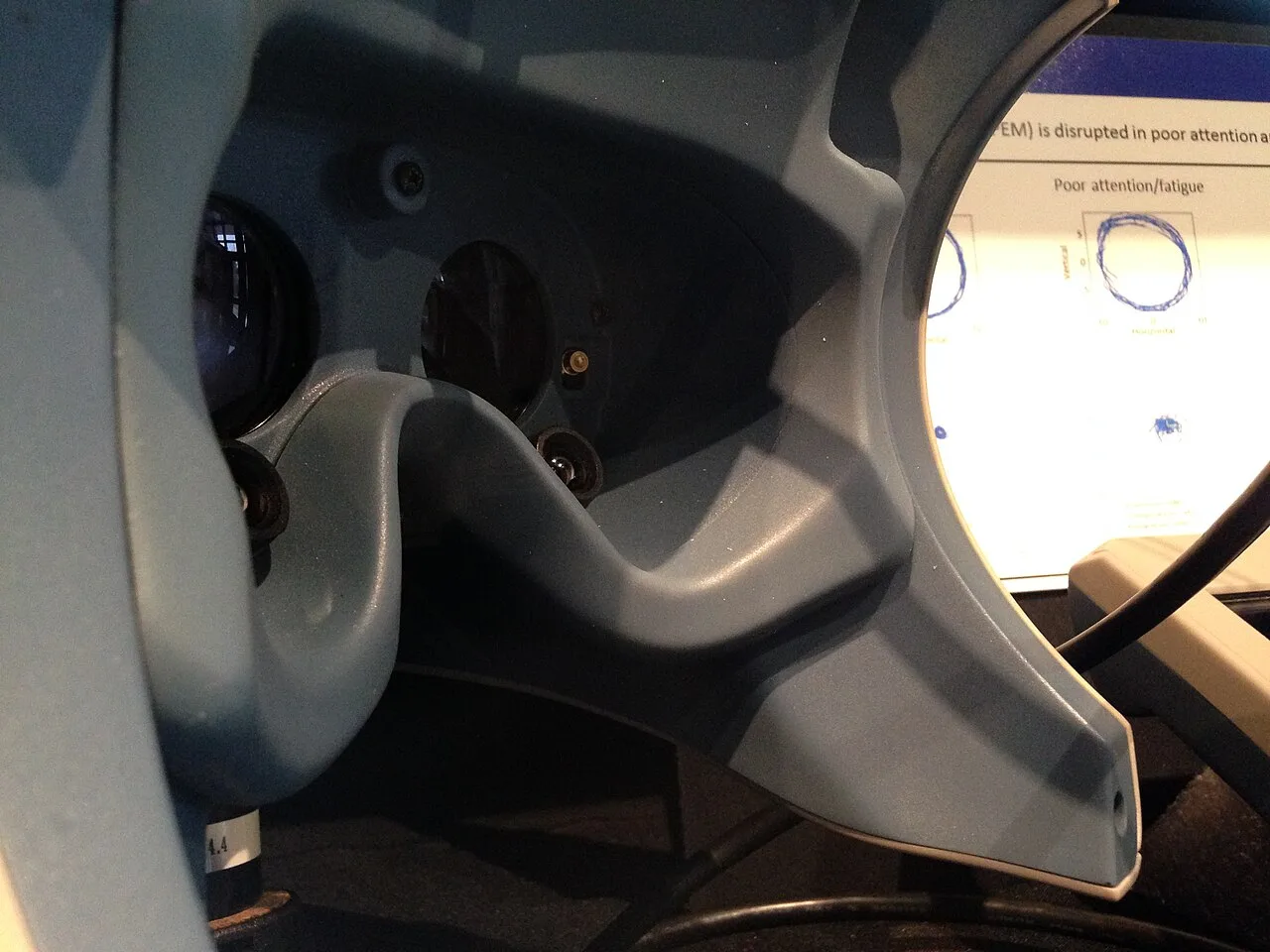
The company develops software that looks at a person's eyes to detect impairment from alcohol or drugs, as well as attention-related risks, and is designed for real-time screening in safety-critical settings. Smart Eye said Sightic holds one of the industry's largest real-world datasets on alcohol- and drug-induced impairment.
Sightic received €2.5 million (about $2.9 million) from the European Innovation Council, Smart Eye said. Its headcount was not stated directly, but Smart Eye said it would take on salary costs for about 20 full-time employees.
“Together, we can develop our target product faster and more cost-efficiently, thereby saving more lives.”
Why Smart Eye is buying
Smart Eye's systems already monitor drivers for distraction, drowsiness and alcohol impairment. Both companies had spent years trying to build alcohol detection accurate enough for global carmakers, work that needs large amounts of data and long testing and validation.
By combining the two, Smart Eye said it could merge the databases, cut the need for new data collection and bring a single automotive-grade system covering distraction, fatigue, alcohol and drugs to production vehicles sooner. It said the combined technology could be ready for series production with global carmakers as early as 2026.
Smart Eye also said it would open a new Industry & Law Enforcement business area focused on testing for substances other than alcohol, which it expected to be cost-neutral during 2026. In the longer run, it said, carmakers could add intoxication detection to existing driver-monitoring licences, raising the average price per vehicle.
Johansson said the two Gothenburg companies shared the goal of reducing alcohol impairment, which she called the largest remaining cause of traffic deaths.
How the deal is structured
At completion Smart Eye issued 724,544 new shares at SEK 83.50 each, worth SEK 60,499,424; the remaining SEK 576 of the price was settled in cash. The issue diluted existing Smart Eye shareholders by about 1.9%. Sightic's largest shareholders, who together held more than 92% of the company, agreed to a gradual lock-up of up to 12 months on the new shares.
The earn-out has two parts. Up to SEK 35 million (about $3.7 million) is payable if Smart Eye wins design contracts for products with alcohol and drug impairment detection worth at least SEK 70 million (about $7.4 million) in total by the end of 2030. Up to SEK 15 million (about $1.6 million) depends on sales targets for drug impairment detection in the first three years of the agreement.
Smart Eye said the extra salary costs would be largely offset by savings on data collection and development, and that it did not expect a material effect on its earlier profitability forecasts.
The buyer
Smart Eye was founded in 1999, is headquartered in Sweden and is listed on Nasdaq First North Growth Market. It bought emotion-AI company Affectiva and biosensor software maker iMotions in 2021, and lists customers including Volvo, GM, BMW, Nissan and Polestar in automotive.