Greenly, a Paris-based carbon accounting software company, said on September 10, 2026 that it was combining with Normative, a Stockholm-based competitor. The companies presented the deal as a merger to create what they called the world's largest climate software provider; ESG Today and Inforca Capital reported it as an acquisition of Normative by Greenly.
The companies did not disclose terms. According to ESG Today, media reports citing corporate documents filed in France valued the deal at about €64 million (around $74 million); the companies have not confirmed that figure. Inforca Capital reported that the deal was paid in shares rather than cash, with Normative's investors becoming Greenly shareholders.
The combined group will remain led by its founders. Both brands will operate separately at first, and the companies said no contracts or prices would change as a direct result of the deal.
What Normative built
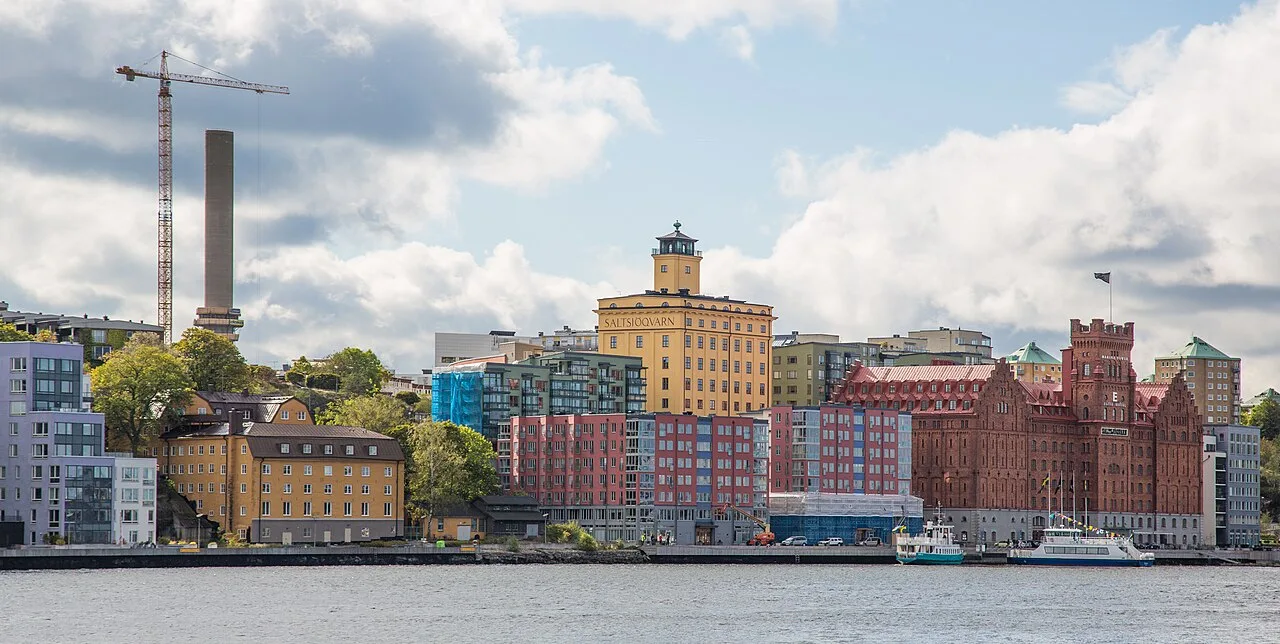
Normative was launched in Stockholm in 2014 and sells software that measures companies' greenhouse gas emissions, with a strong base among large European enterprises. It is led by chief executive Sebastien Blanc and has a team of about 170 people in Stockholm and London.
The company raised more than €40 million (about $46 million) from investors including Blume Equity, Horizons Ventures, ETF Partners and 2150. Inforca Capital put Normative's annual revenue at about €11 million (about $13 million).
“By bringing Greenly and Normative together, we are laying the first foundations of that infrastructure.”
Why Greenly is buying
Greenly was founded in Paris in 2019 and is run by chief executive and co-founder Alexis Normand. It has offices in Paris, New York and London and has raised €75 million (about $87 million) in total, including a $52 million round in 2024 led by Fidelity International Strategic Ventures, with backing from EIP, XAnge and 7Ridge. Its platform covers Scope 1, 2 and 3 emissions, life-cycle assessment and reporting under rules such as CSRD, CBAM and EUDR, and its methodology is certified by AFNOR.
Greenly said the deal would bring together two of the industry's largest emissions datasets on a single platform for carbon accounting, supplier engagement, life-cycle assessment and compliance. The companies said the combination would give better visibility into Scope 3 emissions in supply chains.
Normand said someone had to do the hard work of building the carbon infrastructure of the 21st century. He argued that the world would not reach net zero through thousands of disconnected spreadsheets, surveys and competing ledgers, and described the merger as laying the first foundations of a shared carbon infrastructure. Blanc said real change in how companies handle climate risk would require more than scientific credibility.
The combined company
Together the companies serve more than 4,000 organisations in more than 30 countries, with clients including Amazon, Veolia, AXA, BNP Paribas, Sony, Porsche, Toyota, Eurostar, the Bank of England and Vodafone. Implementation partners include Schneider Electric's advisory services, McKinsey and Quantis.
Combined software annual recurring revenue is about €30 million (about $35 million), of which Greenly contributes around €20 million, according to Inforca Capital. The group aims to reach €50 million (about $58 million) within three years and is targeting profitability, measuring itself against the Rule of 40, a benchmark that adds a software company's growth rate to its profit margin. Normative's chief technology officer will become Greenly's CTO, and Normative's investors will join Greenly's shareholder base alongside the founders of both companies.
Consolidation in carbon accounting
Greenly acknowledged that the carbon accounting market had become crowded. ESG Today placed the deal among several 2026 transactions in the sector, including Green Project Technologies' purchase of Optera, Novisto's acquisition of Minimum and Diginex's acquisition of Plan A.
Inforca Capital reported that the combined group's revenue comes about 30% from the UK, 25% from France and 20% from the US, and that its platform tracks 500 million tonnes of CO2 emissions, with a goal of one billion tonnes by 2030.