Mycofeast, a British fermentation company, has acquired Daisy Lab, a New Zealand startup that makes dairy proteins by precision fermentation instead of from cows. Green Queen reported the deal on October 15, 2026. The companies did not disclose the price.
Daisy Lab's founders will take roles across the wider Mycofeast group, and its scientific team will keep working on scaling up bovine lactoferrin, the startup's most advanced program. Irina Miller, Daisy Lab's co-founder and chief executive, said: "There are no layoffs associated with the acquisition."
The deal gives Mycofeast a presence in Asia-Pacific. Daisy Lab will work closely with Mycofeast's research subsidiary, Evolutia Bio, in California.
Mycofeast describes itself as a company that wanted both the technology and the people, in Miller's words. The acquisition was not the result of a sales process: Miller said the two companies had been working together as potential partner and customer before the talks turned to a purchase.
What Daisy Lab built
Daisy Lab, based in Auckland, makes recombinant whey proteins through precision fermentation, a process in which microbes are engineered to produce proteins that are identical to those found in milk. Its most advanced program is a high-yielding bovine lactoferrin, a whey protein.
According to Green Queen, Daisy Lab was founded in 2023 by Miller, Nikki Freed and Emily McIsaac. Other New Zealand outlets give earlier founding years: NBR has said 2021 and BusinessDesk 2020, so the date is not settled across sources.
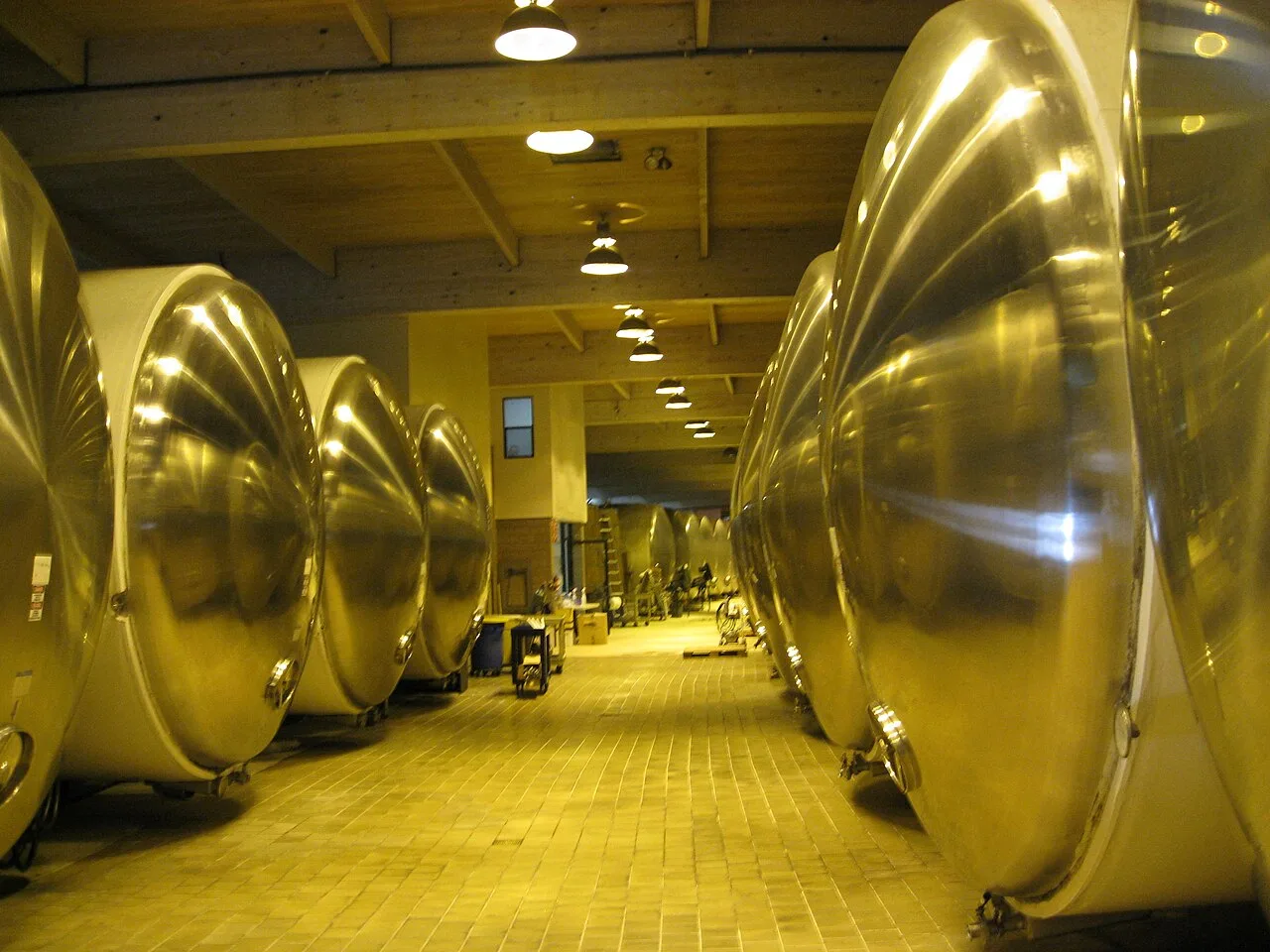
The company had also worked on human lactoferrin, which it produced at lab scale before pausing that work late last year. In the first quarter of this year it installed a 500-litre fermenter to scale up the bovine version.
Precision fermentation is capital-intensive, because moving from lab flasks to production-scale fermenters requires specialised equipment and money. Miller's reference to the difficulty of raising capital suggests why a startup of Daisy Lab's size might choose a larger group, although the reports reviewed did not state that as the reason for the sale.
“There are no layoffs associated with the acquisition.”
Why Mycofeast is buying
Mycofeast was founded in 2023 and is led by chief executive Witek Hruzewicz. It makes functional ingredients for human and animal nutrition and describes capabilities in strain development, biosynthesis, enzyme design, fermentation scale-up and industrial production. Its portfolio includes carotenoids and other bio-based compounds.
The company operates a 16-million-litre fermentation plant in Europe and the California subsidiary Evolutia Bio. Hruzewicz said: "We built Mycofeast to move faster than biotechnology traditionally has." He said Daisy Lab "brings a strong dairy protein platform, proven scale-up capability and a talented New Zealand team".
For Mycofeast, the purchase adds a dairy-protein platform to an ingredient business that had been centred on other compounds, and a team based in the Southern Hemisphere.
The founders and the funding
Green Queen did not report how much Daisy Lab raised or who invested, and the sources reviewed did not give a headcount. The article described a small and resilient team.
Miller referred to the difficulty of raising capital but gave no figures. Reports also indicate the two companies knew each other before the deal: Mycofeast had been a potential partner and customer, and Miller said the startup was not running a sales process.
What happens next
Lactoferrin work will continue inside the group, in collaboration with Evolutia Bio, which Mycofeast says combines AI discovery, high-throughput screening and genetic engineering.
Neither company has said when Daisy Lab's lactoferrin might reach commercial volumes, and the price and structure of the deal remain undisclosed. Readers should treat the account here as based on a single detailed report plus headlines from New Zealand business media that could not be opened in full.
Daisy Lab's New Zealand base is the other part of the rationale. Mycofeast said the acquisition gives it a presence in Asia-Pacific, and the founders will hold roles across the group rather than leave after the sale.